
Eye Conditions in Dogs
When your dog develops redness, squinting, discharge, or other signs of an eye problem, prompt veterinary evaluation is essential. Many eye conditions can worsen quickly, and delaying treatment may result in unnecessary pain, permanent vision loss, or damage to the eye.
At Dermatology Clinic for Animals, our focus is on skin and allergy-related diseases, including many conditions that affect the eyes and eyelids. We commonly diagnose and treat bacterial conjunctivitis (often associated with allergies), dry eye (keratoconjunctivitis sicca or KCS), and corneal ulcers. We also evaluate and diagnose the underlying causes of recurrent eyelid inflammation and infections (blepharitis), which are frequently associated with food allergies, environmental allergies, or other allergic skin diseases. During every comprehensive examination, we carefully assess the eyes and eyelids to determine whether allergies or underlying skin disease may be contributing to ocular problems and whether additional testing or referral is needed.
If your dog develops an eye problem, your first instinct may be to search online for answers. Unfortunately, many eye conditions look similar but require very different treatments. Rather than relying on internet advice, we encourage you to have your pet examined promptly so the correct diagnosis can be made.
What is the most important thing when it comes to taking care of my dog’s eyes?
The most important thing is not to delay veterinary care. Eye problems can progress rapidly, and what appears to be minor irritation may actually be a painful ulcer or another serious condition requiring immediate treatment. Early intervention often leads to the best possible outcome.
Should I have my dog evaluated if I notice an eye problem?
Yes. Even seemingly mild symptoms deserve attention. Redness, discharge, excessive tearing, squinting, or rubbing at the face can all indicate conditions that benefit from early diagnosis and treatment.
What signs suggest my dog may have an eye condition?
Common signs include:
- Squinting or holding an eye closed
- Redness of the eye or surrounding tissues
- Excessive tearing
- Thick or colored discharge
- Swelling of the eyelids
- Crusting or recurrent infections around the eyelid margins
- Cloudiness of the eye
- Pawing or rubbing at the face
- Sensitivity to light
- Matted debris around the eyes
- Changes in vision or bumping into objects
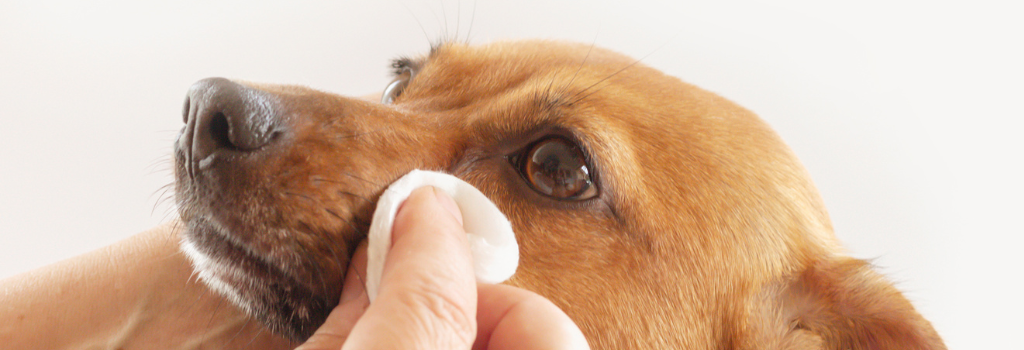
How are eye conditions diagnosed?
Our veterinarian performs a thorough physical examination and carefully evaluates your dog's eyes as part of the visit. When indicated, we may perform specialized diagnostics such as:
- Tear production testing to evaluate for dry eye (KCS)
- Fluorescein staining to detect corneal ulcers or abrasions
- Assessment for conjunctivitis or allergy-related inflammation
- Evaluation of the eyelids for abnormalities, including entropion, that may be contributing to irritation or recurrent eye disease
- Investigation of underlying allergic conditions that may be responsible for chronic or recurrent eyelid inflammation and infections
Many dogs with repeated eyelid infections are experiencing an underlying allergic condition rather than simply a bacterial problem. Identifying and managing food allergies, environmental allergies, or other skin diseases can significantly reduce recurrence and improve long-term eye comfort.
If eyelid abnormalities such as entropion are identified, we can explain how they may be affecting your dog's eyes and recommend referral for surgical correction when appropriate. Our role is to recognize these conditions early and help direct patients to the most appropriate care.
Because our primary focus is veterinary dermatology and allergy medicine, some eye diseases require referral for advanced care. If we suspect conditions such as glaucoma (high eye pressure), uveitis (intraocular inflammation), retinal disease, or other disorders requiring specialized equipment or treatment, we will promptly recommend evaluation by your primary care veterinarian or a board-certified veterinary ophthalmologist.
How do allergies affect my dog's eyes?
Allergies don't just affect the skin and ears—they can also contribute to inflammation around the eyes. Allergic dogs may develop recurrent conjunctivitis, increased tearing, rubbing at the face, secondary bacterial infections, eyelid inflammation (blepharitis), or irritation from chronic inflammation. Addressing the underlying allergy is often the key to preventing these problems from recurring rather than repeatedly treating only the symptoms.
Why is early diagnosis so important?
Many eye diseases can deteriorate within hours or days. Corneal ulcers may deepen, infections can worsen, and untreated irritation can lead to self-trauma from rubbing or scratching. Prompt diagnosis allows treatment to begin quickly and helps preserve comfort and vision whenever possible.
Our goal is to identify and manage conditions that fall within our expertise while recognizing when specialized ophthalmic care is needed. By working closely with your primary veterinarian and veterinary ophthalmologists, we strive to ensure every patient receives the right treatment at the right time.
If you notice any changes in your dog's eyes or vision, please contact Dermatology Clinic for Animals as soon as possible. We're happy to evaluate your pet, identify allergy- or skin-related contributors to ocular disease, initiate appropriate treatment when indicated, and recommend referral when specialized ophthalmic care is in your pet's best interest.