
Cat Nutrition and Skin Health FAQs
Nutrition plays an important role in your cat’s skin, ear, and overall health. While Dermatology Clinic for Animals is not a primary care practice and does not provide routine kitten wellness care or general nutritional counseling, diet can have a significant impact on allergic skin disease and chronic ear problems. In some cases, identifying a food allergy through a carefully planned diet trial is an essential part of diagnosing your cat’s condition.
If your cat has chronic itching, recurrent ear infections, hair loss, excessive grooming, or unexplained skin inflammation, diet may be one piece of the puzzle. Our goal is to provide accurate, evidence-based information and help determine whether nutrition is contributing to your cat’s dermatologic disease.
If you're looking for an experienced veterinarian in Lacey, WA, to help diagnose and manage your cat's skin or ear disease, please call us at (360) 350-4756 .
How does nutrition affect my cat's skin and ear health?
The nutrients your cat consumes directly influence skin barrier function, coat quality, immune health, and inflammation. While many cats thrive on commercially balanced diets, some develop adverse food reactions that manifest as chronic itching, recurrent ear infections, hair loss, or excessive grooming.
Although nutrition is only one possible cause of skin disease, identifying and addressing dietary triggers can dramatically improve a cat's comfort and quality of life.

Does Dermatology Clinic for Animals provide nutritional counseling?
Our primary focus is diagnosing and treating allergies and diseases of the skin and ears. We do not provide routine nutritional counseling for healthy cats or general kitten feeding recommendations.
However, nutrition becomes an important part of our diagnostic process when we suspect a food allergy or when dietary management may help improve a dermatologic condition. In those cases, we will guide you through selecting an appropriate elimination diet and monitoring your cat's response.
What are common signs that food could be contributing to my cat's skin disease?
Food allergies can look very similar to environmental allergies and often cause:
- Chronic itching
- Recurrent ear infections
- Hair loss from excessive grooming
- Skin redness or inflammation
- Scabs or crusting around the head and neck
- Large sores on the body
- Chin acne or facial itching
- Secondary bacterial or yeast infections
Some cats may also experience gastrointestinal signs such as vomiting or diarrhea, although many have skin disease alone.
How are food allergies diagnosed?
There is currently no reliable blood test, saliva test, or hair test that can diagnose food allergies in cats.
The gold standard is a strict elimination diet trial using either a prescription hydrolyzed diet or a novel protein diet selected specifically for your cat. During the trial, your cat must eat only the prescribed food and approved treats for the recommended period of time.
If clinical signs improve and then recur when previous foods are reintroduced, a food allergy is diagnosed.
Can kittens have food allergies?
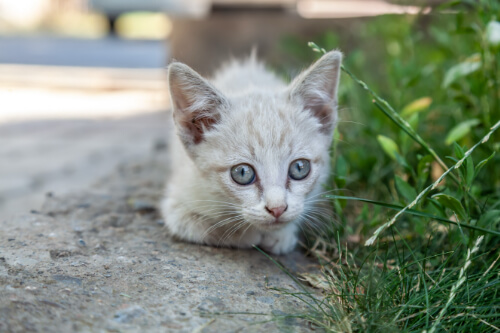 Yes. Food allergies can develop in cats of any age, but they should be considered especially strongly in kittens younger than 6 months of age and in young cats less than 1 year old, as well as in cats older than 7 years, though food allergies can develop at any age. If a kitten or young cat develops persistent itching, recurrent ear infections, excessive grooming, or skin inflammation, a food allergy should be high on the list of differential diagnoses.
When clinically indicated, a carefully planned elimination diet trial may be recommended to determine whether food is contributing to your cat's skin disease. Outside of allergy investigations, routine kitten nutrition and wellness care are generally managed by your primary care veterinarian.
At Dermatology Clinic for Animals, your pet is our priority. If you have any questions, don't hesitate to call our team at (360) 350-4756 , or you can email us at [email protected]. Our staff would love to talk with you! Don't forget to follow us on social media: Facebook, Instagram.